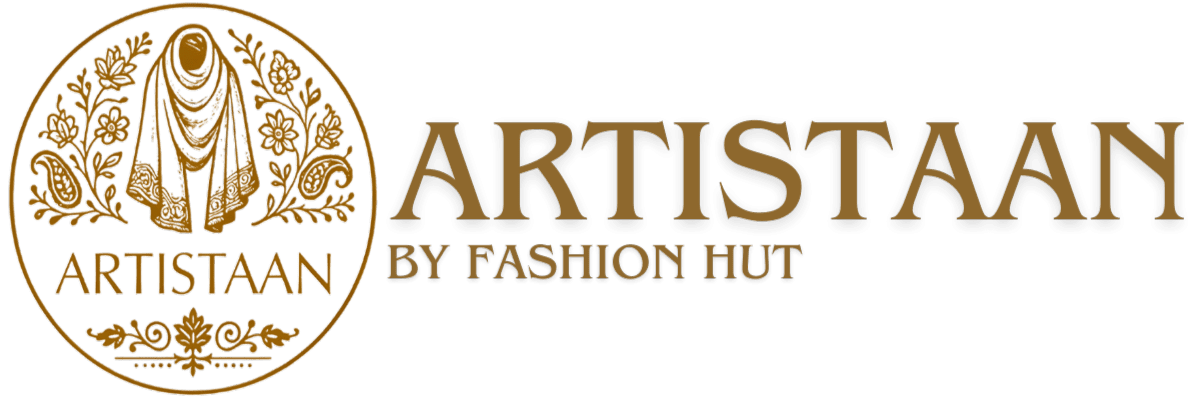
Real vs Duplicate Pashmina Shawls: How to Tell the Difference
Real vs Duplicate Pashmina Shawls: How to Tell the Difference
Pashmina shawls represent centuries of Himalayan craftsmanship and luxury, prized worldwide for their exceptional softness and warmth. However, the market floods with imitations that deceive even experienced buyers. Understanding how to identify authentic Pashmina from synthetic alternatives protects your investment and ensures you receive the quality you deserve.
Understanding Authentic Pashmina
Genuine Pashmina originates from the undercoat of Changthangi goats found in the Ladakh region of the Himalayas, where temperatures plummet to -40°C. These goats develop an incredibly fine undercoat, measuring 12-16 microns in diameter, which makes authentic Pashmina remarkably soft and lightweight.
The fiber collection happens only once annually during the spring molting season. Herders carefully comb the undercoat rather than shearing, preserving the delicate fibers. This limited availability and labor-intensive process explain why authentic Pashmina commands premium prices.
The Traditional Production Process
Artisans hand-spin the fibers and weave them on traditional handlooms, a process that can take several weeks for a single shawl. This meticulous craftsmanship results in textiles with unmatched drape, warmth-to-weight ratio, and durability. Machine-made imitations cannot replicate these qualities, regardless of fiber content.
Key Characteristics of Genuine Pashmina
Fiber Fineness and Texture
Authentic Pashmina feels extraordinarily soft against bare skin without any scratchiness. The fibers possess a natural crimp that creates microscopic air pockets, providing insulation without bulk. When you gently rub the fabric between your fingers, it should feel smooth and buttery, never coarse or slippery like synthetic materials.
Expert Tip: Place the shawl against your cheek. Genuine Pashmina warms quickly to body temperature and feels like second skin, while synthetic fabrics remain noticeably cooler and create static electricity.
Visual Inspection Methods
Examine the weave closely under good lighting. Authentic Pashmina shows slight irregularities in the weave pattern, evidence of handloom production. The surface displays a subtle matte finish with natural luster, never an artificial sheen. Colors appear rich but slightly muted compared to synthetic dyes, which often look overly vibrant.
Check both sides of the shawl. Genuine Pashmina looks nearly identical on both faces due to traditional weaving techniques. Machine-made duplicates often show obvious front and back differences, with loose threads or unfinished edges on the reverse side.
Weight and Drape Quality
Despite providing exceptional warmth, authentic Pashmina remains remarkably lightweight. A full-sized shawl typically weighs between 80-120 grams. Hold the fabric up and observe how it drapes. Genuine Pashmina flows gracefully and forms soft folds, while synthetic alternatives often feel stiff or create harsh creases.
| Characteristic | Authentic Pashmina | Duplicate/Synthetic |
|---|---|---|
| Fiber Diameter | 12-16 microns | 20+ microns or synthetic |
| Touch Test | Butter-soft, warms quickly | Slippery or scratchy, stays cool |
| Weave Pattern | Slight irregularities, handmade | Perfect uniformity, machine-made |
| Weight (full shawl) | 80-120 grams | Varies widely, often heavier |
| Price Range | $200-$1000+ | $20-$100 |
Scientific Testing Methods for Authentication
The Burn Test
This destructive test requires removing a few threads from an inconspicuous area. Natural animal fibers like Pashmina burn slowly and smell like burning hair, leaving behind fragile ash that crumbles easily. Synthetic fibers melt into hard beads, produce chemical odors, and create sticky residue.
Important: Only perform the burn test if you own the shawl or have explicit permission. Request the seller provide loose threads if you're considering a purchase.
The Pilling Test
Gently rub a small section of the fabric between your palms for 30 seconds. Authentic Pashmina may develop minimal pilling initially, but these pills remain soft and can be easily removed. Synthetic materials either show no pilling (indicating polyester) or develop hard, stubborn pills that cling to the fabric.
The Ring Test
Try passing the entire shawl through a standard ring. Genuine Pashmina's fine fibers and expert weaving allow full-sized shawls to pass through a wedding ring, demonstrating exceptional fineness. While this test works for many authentic pieces, some thicker or larger shawls may not pass despite being genuine.
Common Types of Duplicate Pashmina
Viscose and Rayon Blends
Manufacturers frequently blend viscose or rayon with small percentages of Pashmina to reduce costs while maintaining some softness. These semi-synthetic fibers feel smooth but lack the warmth and breathability of pure Pashmina. The fabric often feels heavier and doesn't regulate temperature effectively.
Cashmere Mislabeling
Some sellers market regular cashmere as Pashmina to justify higher prices. While cashmere comes from goats, it measures 15-19 microns compared to Pashmina's 12-16 microns. Cashmere feels luxurious but noticeably less fine than authentic Pashmina. Both materials are legitimate, but they occupy different quality tiers.
Complete Synthetics
The most deceptive duplicates use polyester, acrylic, or other synthetic fibers designed to mimic Pashmina's appearance. These shawls often feature bright colors and perfect weaves at suspiciously low prices. They lack breathability, generate static electricity, and feel noticeably different from natural fibers.
Shopping Strategies for Authentic Purchases
Verify Seller Credentials
Purchase from established retailers with transparent sourcing information and strong reputations. Reputable sellers provide certificates of authenticity, detailed product descriptions including fiber content and origin, and stand behind their products with return policies. Research seller reviews and look for mentions of product authenticity.
Understand Pricing Realities
Authentic handwoven Pashmina cannot be produced cheaply. Prices typically start around $200 for simple shawls and increase significantly for larger sizes, intricate patterns, or embroidery. If the price seems too good to be true, the product likely contains synthetic fibers or represents machine-made cashmere marketed as Pashmina.
Price Guidelines:
- Plain handwoven Pashmina shawl: $200-$400
- Embroidered or patterned pieces: $400-$800
- Large wraps or premium artisan work: $800-$2000+
- Antique or museum-quality pieces: $2000+
Request Documentation
Ask for certificates of authenticity that specify fiber content, origin, and production methods. While certificates can be forged, legitimate sellers readily provide detailed documentation. Request information about the artisan community or cooperative that produced the shawl, as this transparency indicates genuine sourcing.
Regional Indicators and Certifications
Geographic Authentication
Genuine Pashmina comes exclusively from the Himalayan region, particularly Ladakh, Nepal, and Kashmir. The Indian government has established geographical indication (GI) tags for Kashmir Pashmina, similar to how Champagne can only come from Champagne, France. Look for these official designations when making purchases.
Government Certifications
The Craft Development Institute in Srinagar and similar organizations provide certification for authentic Pashmina products. These certificates include laboratory testing results confirming fiber diameter and composition. While not all authentic Pashmina carries official certification, these documents provide valuable verification when available.
Care and Maintenance Differences
Proper Cleaning Methods
Authentic Pashmina requires gentle hand washing in lukewarm water with mild, pH-neutral detergent specifically designed for delicate fibers. Never wring or twist the fabric. Instead, press water out gently and lay flat to dry away from direct sunlight. Professional dry cleaning using methods approved for delicate animal fibers provides another safe option.
Synthetic duplicates often tolerate machine washing and rougher handling, though this convenience comes at the cost of quality and longevity. The care requirements themselves serve as authentication indicators—genuine Pashmina demands respect and careful handling.
Long-term Performance
Properly maintained authentic Pashmina improves with age, developing a beautiful patina and becoming softer through wear. The fibers naturally resist odors and wrinkles, requiring less frequent cleaning than synthetic alternatives. Duplicates typically deteriorate quickly, with pilling, fading, and loss of shape appearing within months of regular use.
Red Flags When Shopping
Suspicious Marketing Claims
Be wary of terms like "Pashmina silk blend" or "Pashmina style" which often indicate synthetic content. Phrases such as "100% pure Pashmina" should be backed by documentation, as legitimate sellers understand buyers need verification. Extremely fast shipping times may suggest pre-manufactured synthetic items rather than artisan-made goods.
Unrealistic Product Features
Authentic Pashmina comes in natural, muted colors unless dyed with traditional methods, which produce rich but not neon-bright hues. Perfect symmetry in patterns or absolutely flawless weaving indicates machine production. Claims about machine washability or wrinkle-free properties contradict the nature of genuine Pashmina.
Common Scam Tactics:
- Pressure sales tactics claiming limited availability
- Refusal to provide fiber content documentation
- Inconsistent product descriptions across platforms
- No physical address or contact information
- Prices significantly below market rates without explanation
The Value Proposition of Authentic Pashmina
Investment Quality
Authentic Pashmina represents a long-term investment in quality and craftsmanship. A well-maintained genuine shawl can last decades or even become an heirloom piece, making the higher initial cost worthwhile. The exceptional warmth-to-weight ratio means one Pashmina shawl provides more versatility than multiple synthetic alternatives.
Supporting Artisan Communities
Purchasing authentic Pashmina directly supports traditional craft communities in the Himalayas. These artisan families have preserved weaving techniques for generations, and your purchase helps sustain their livelihoods and cultural heritage. This ethical dimension adds meaningful value beyond the product itself.
Alternative Quality Options
Pashmina-Silk Blends
If pure Pashmina exceeds your budget, consider legitimate Pashmina-silk blends (typically 70% Pashmina, 30% silk). These blends maintain much of Pashmina's softness while adding silk's lustrous drape at a lower price point. Ensure sellers accurately represent the blend ratio and use genuine Pashmina fibers.
High-Quality Cashmere
Fine cashmere from reputable sources provides excellent quality without claiming to be Pashmina. Honest cashmere products offer luxury at more accessible price points while maintaining the integrity that comes with accurate labeling and transparent sourcing.
Making Informed Decisions
Distinguishing authentic Pashmina from duplicates requires combining multiple verification methods rather than relying on single tests. Touch, visual inspection, burn testing, weight assessment, and source verification together create a comprehensive authentication picture.
The market for Pashmina shawls includes everything from masterpiece textiles to outright fraud. Educated consumers who understand fiber characteristics, production methods, and fair pricing protect themselves while supporting legitimate artisans. Remember that genuine Pashmina represents extraordinary craftsmanship, rare materials, and traditional techniques—qualities that command appropriate pricing and respectful care.
Whether you're purchasing your first Pashmina or adding to an established collection, prioritize reputable sellers, verify documentation, and trust your senses. The unmistakable feel of authentic Pashmina against your skin, its remarkable warmth without weight, and its timeless elegance make the investment worthwhile. By choosing genuine over duplicate, you acquire not just a luxurious textile but a piece of Himalayan heritage and artisan tradition.
About Me


Latest Posts
Related Articles
Difference Between Aari and Sozni Work
Discover the key differences between Aari and Sozni embroidery from Kashmir. Learn about techniques, history, craftsmanship,...
Best Kashmiri Shawls Online at ArtistaanKashmir: Your Complete Guide to Authentic Luxury
Discover authentic Kashmiri shawls online at ArtistaanKashmir. Shop handcrafted pashmina, sozni embroidery & traditional shawls directly...